
Παρουσίαση/Προβολή
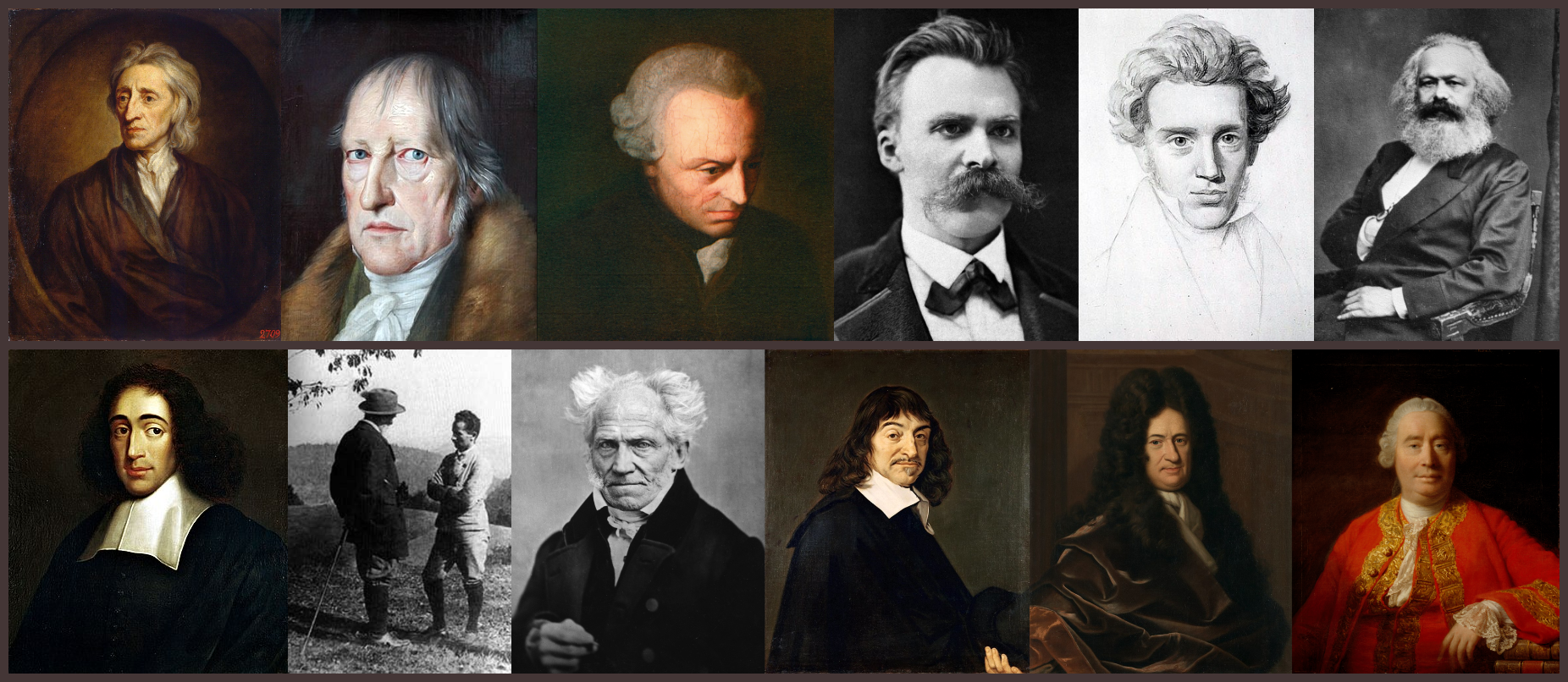
Modern Philosophy (Winter semester 2026-27) (ΧΕ 2026-27)
(PHS597 ) - Stefanos Regkas
Περιγραφή Μαθήματος
We will examine key philosophical developments from the birth of modernity up to the nineteenth century. The course begins with a general introduction to the emergence of modernity, covering the historical, political, social, scientific, and intellectual transformations of the 16th and early 17th centuries. We will then turn to the major philosophical movements of rationalism and empiricism, which shaped much of early modern philosophy. Although these historiographical categories are not without their limitations, grouping the thinkers this way is instructive, as we will see through a reconstruction of their dialogue. Beginning with Descartes’ Meditations—the foundational text of the period—we will read texts by Spinoza, Leibniz, Locke, Berkeley, and Hume as responses to the Cartesian agenda. Then we will examine the Kantian revolution and its legacy, exploring Kant’s critical philosophy with a focus on the Critique of Pure Reason. We will study its two major responses: German Idealism (with special attention to Hegel) and (if time permits) the alternative path of Schopenhauer and Nietzsche.
Two recurring themes will guide our discussions:
a) The conception of the concept of object in each philosophical system (e.g., Cartesian res cogitans, Spinozist substance, Kantian thing-in-itself).
b) The role and understanding of God within each philosophy and its relation to the broader intellectual context.
Beyond familiarizing students with key thinkers and schools of thought, this course aims to stimulate reflection on broader questions such as:
- Why study the history of philosophy? What frameworks allow for a comprehensive understanding of this period? What relevance do these philosophies hold today—do they merely have historical value, or do they retain their philosophical vitality?
- How can philosophers be meaningfully grouped—by monism vs. dualism, materialism vs. idealism, rationalism vs. empiricism, immanence vs. transcendence, realism vs. nominalism, etc.? What are the limitations of such categorizations?
- How are metaphysical, epistemological, and practical assumptions interwoven in each system?
- What role does God play in each philosophy, and what does “critique of metaphysics” mean in this context?
- What are the main methodological approaches to the history of philosophy? How can we recognize influence between philosophies?
Ημερομηνία δημιουργίας
Πέμπτη 24 Σεπτεμβρίου 2026
-
Περίγραμμα
Δεν υπάρχει περίγραμμα