
Παρουσίαση/Προβολή
TRENDS: Late Style in 21th American fiction
(ENL698) - Θεοδώρα Τσιμπούκη
Περιγραφή Μαθήματος
This course examines the discourse of aesthetic lateness in 21st c. American Fiction. Although it has been in use over the past centuries, the term has been revived with the 2006 publication of Edward Said's On Late Style. According to Said, artistic lateness is characterized by a sense of “sustained tension” “unaccommodated stubbornness,” and “unresolved contradiction.” “There is therefore an inherent tension in late style,” Said posits, “when the artist who is fully in command of his medium nevertheless abandons communication with the established social order of which he is part and achieves a contradictory, aliented relationship with it" (78).
Is artistic lateness a "phenomenon that transcends boundaries of culture, location and chronology?"
Can we generalize about creative artists or is it an individual phenomenon?
Is the deployment of the term positive or negative, invested with wisdom or creative decline? Is the narrative of creativity one of rapture or one of continuity?
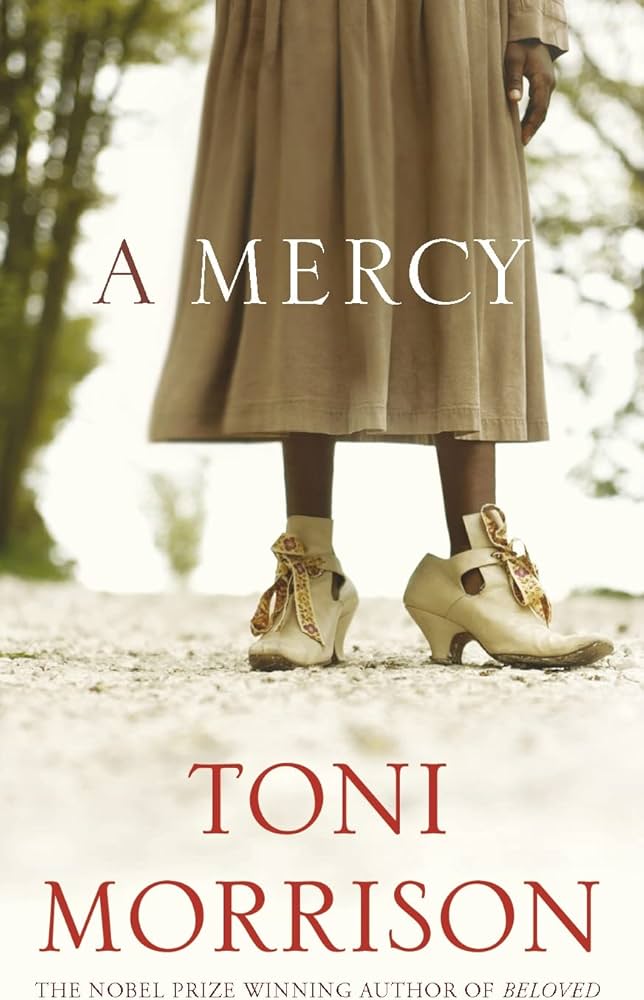
The main focus of the course will be on three short novels by three major American authors, Philip Roth, Toni Morrison and Paul Auster, all written at a late stage in their literary career. But, we will include examples from music, painting and film, since the discussion of late style engages these art forms, as well.
Said, Edward. On Late Style. Music and Literature against the Grain (Pantheon Books, 2006)
Novels:
- Roth, Everyman
- Morrison, A Mercy
- Auster, Baumgartner
Ημερομηνία δημιουργίας
Δευτέρα 9 Φεβρουαρίου 2026
-
Περίγραμμα
Δεν υπάρχει περίγραμμα