
Course : Fiction and Power in World Literature
ENL194 - Angelos Evangelou
Course Description
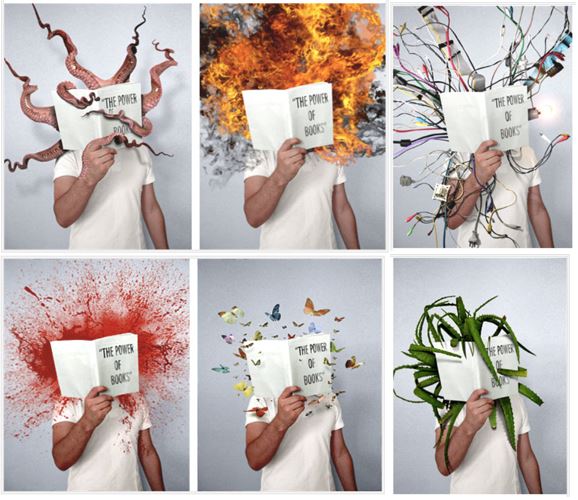
A central line of inquiry lies at the conceptual heart of this module: “Does fiction possess power?” An exploration of this question will provide the framework for examining the multifaceted relationship between fiction and power in a twofold manner. On the one hand, the module gives the students the opportunity to study politically engaged texts produced under, or in response to, the totalitarian regimes which held sway in the twentieth century and whose legacies continue to inform the present. The selected works explore ways of resisting, challenging, and subverting authoritarian power, from Soviet Russia, Nazi Germany, and communist China to the dictatorships of Latin America, the Iranian Revolution, and conflicts in the Middle East. By exploring the complex entanglements of individual agency and responsibility, collective identity, and state power, these narratives bear witness to violence and oppression, preserve cultural and historical memory, and articulate forms of political critique in what, in 1939, Bertolt Brecht called “dark times.” On the other hand, the module moves beyond specific historical political phenomena to examine less obvious negotiations of fiction and power, especially with respect to the various forms of power to which these texts are subject, in which they participate, and on which they reflect metafictionally.
Image: "The Power of Books" (2005) by Mladen Penev
https://mladenpenev.net/concepts
**For a detailed module outline, please see the SYLLABUS in the Documents section**
Weeks 1-2: Introduction: Can fiction change the world?
Introduction to the module
Michael Hanne, “Narrative and Power” in The Power of the Story: Fiction and Political Change (1994)
Weeks 3-4: Ideology, or the quest for identity: Zionism before Israel
Linda Grant, When I Lived in Modern Times (2000)
Weeks 5-6: Nazism and the "death" of humanity
Leni Riefenstahl (dir.), Triumph of the Will (1935) (film)
Primo Levi, If This Is a Man (1947)
Week 7: The "death" of an ideology: Communism and the fall of the Berlin Wall
Wolfgang Becker (dir.), Good Bye, Lenin! (2003) (film)
Weeks 8-9: What goes wrong with revolutions? Iran between royalty and theocracy
George Orwell, Animal Farm: A Fairy Story (1945)
Ryszard Kapuściński, Shah of Shahs (1985)
Marjane Satrapi, Persepolis (2000) EXTRACTS
Weeks 10-11: Totalitarianism and Resistance: The Tlatelolco massacre in Mexico
Roberto Bolano, Amulet (1999)
Weeks 12-13: Fiction and Power: China and the cultural revolution
Dai Sijie, Balzac and the Little Chinese Seamstress (2000)